






Monday to Sunday: 8:00–18:00
|
|
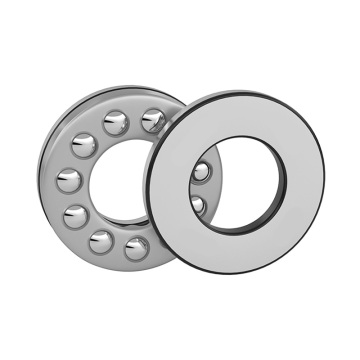
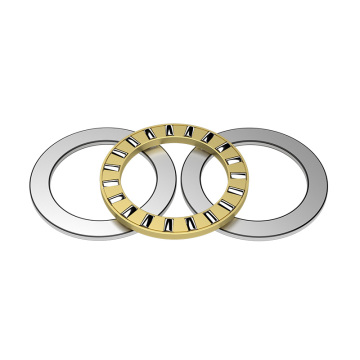
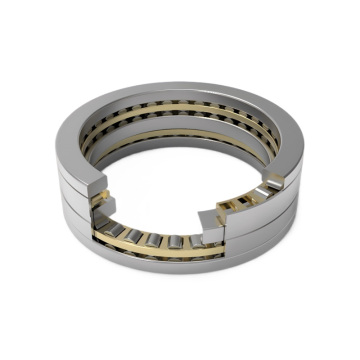
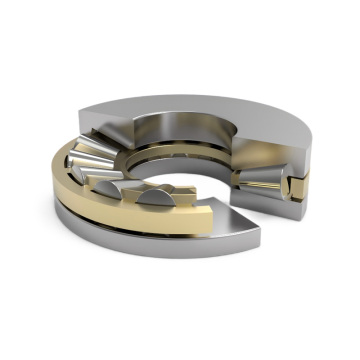
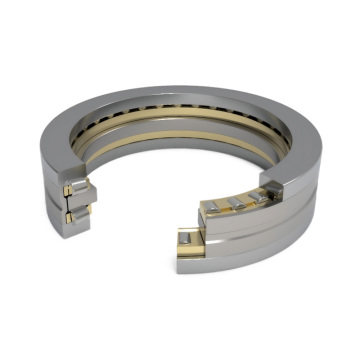
Stainless steel thrust ball bearingsHigh Axial Load Capacity With a contact angle greater than 45°, these bearings can withstand very high axial loads. Smooth Operation Smooth operation reduces vibration and noise during operation. Low Coefficient of Friction The low coefficient of friction reduces frictional heat and improves operational efficiency. Easy Installation The inner and outer rings feature a separable design, allowing each ring to be installed separately onto the shaft and bearing housing, facilitating installation, removal, and maintenance. 
Collect
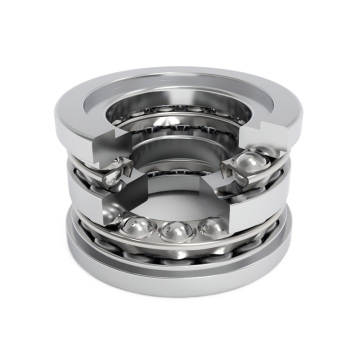
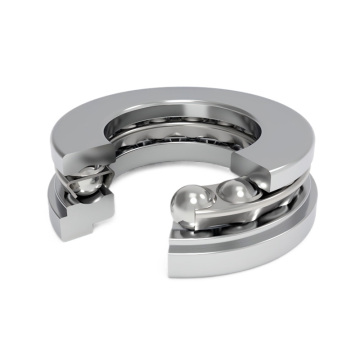
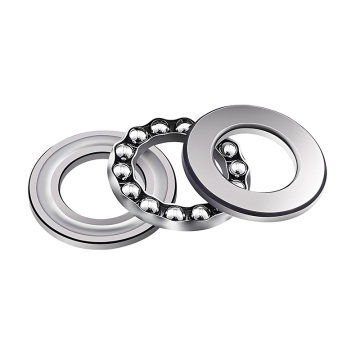
Thrust ball bearings consist of an inner ring, an outer ring, balls, and a cage. The ring that mates with the shaft is called the inner ring, while the ring that mates with the housing is called the outer ring. Bearings with a spherical mounting surface on the outer ring have self-aligning capabilities, which can reduce the effects of installation errors. Thrust ball bearings are primarily used to support axial loads; they can transmit large axial loads but cannot support radial loads. These bearings are primarily used in automotive steering systems, machine tool spindles, and similar applications. Thrust ball bearings are classified into single-direction and double-direction types. They are primarily designed to withstand axial loads and are engineered to handle thrust loads during high-speed operation. They consist of washer-shaped rings with raceways for ball rolling. Double-direction thrust ball bearings can withstand axial loads in both directions, with the shaft ring mating with the shaft. Bearings with a spherical mounting surface on the housing ring have self-aligning capabilities, which can mitigate the effects of installation errors. Thrust ball bearings cannot withstand radial loads and have a relatively low maximum operating speed. They are widely used in automotive steering mechanisms, machine tool spindles, crane hooks, vertical pumps, vertical centrifuges, jacks, and low-speed reducers.
|